
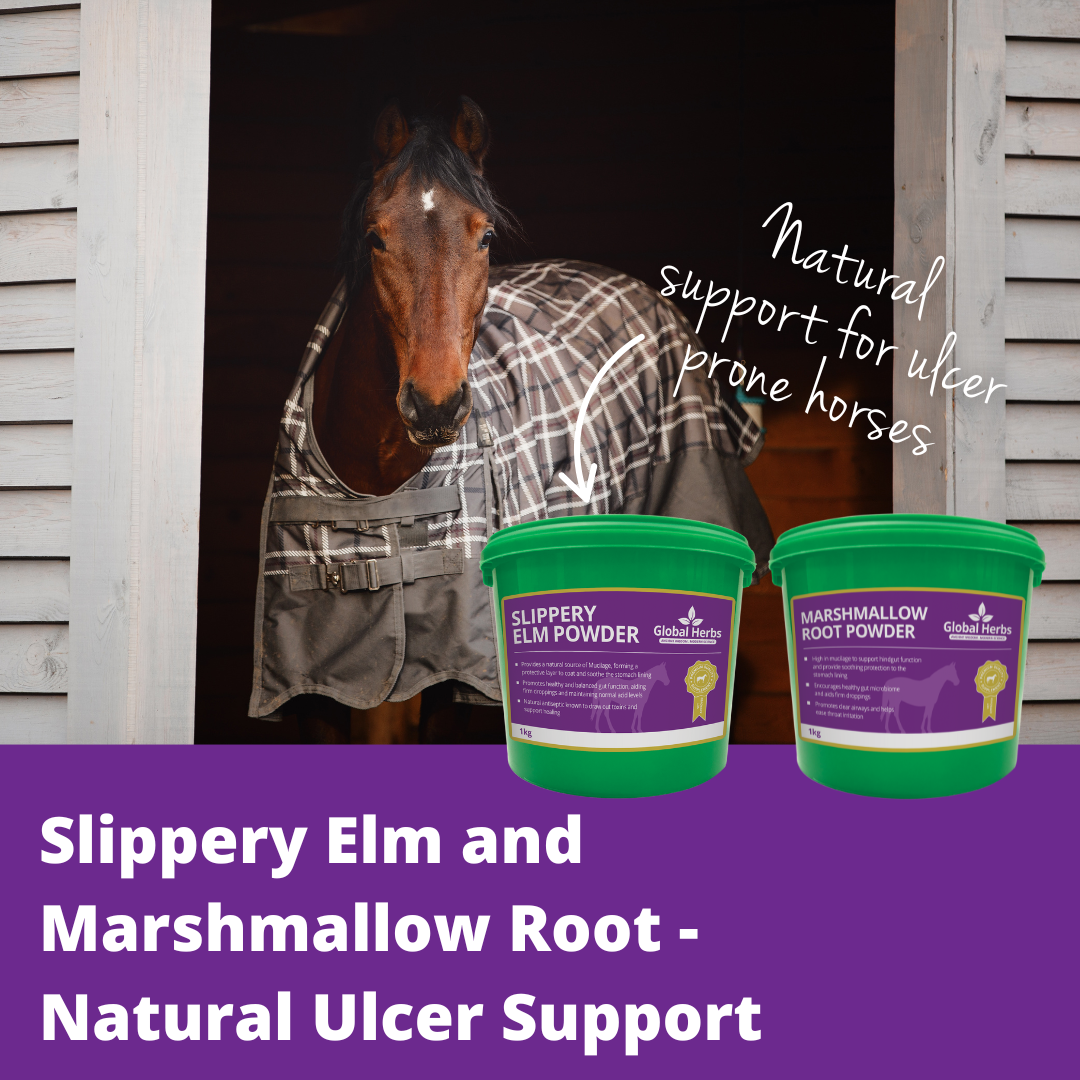
Gastric ulcers can be common in horses of varying breeds, ages and types, and can affect 1 in 3 equines.
Although breed can predispose our equines to ulcers, often the way we manage our equines can be a risk factor for ulcers, such as restricted time out at pasture and increased time stabled during the winter.
-
Extended periods of time where forage may not always be readily available
-
High concentrate feeds
-
Stress (such as intensive exercise and travelling) and anxious horses
-
Long term medications such as anti-inflammatory medications
To protect the stomach, the glandular mucosa is lined with a thick layer of mucus. This is the lower portion of the stomach which secretes stomach acid and enzymes to help start digestion. Once this mucosa layer is breached, painful ulcers appear (often graded by your vet) causing behaviours such as weight loss, depression, reduced performance, grumpy or agitation when girthing or rugging, colic symptoms, teeth grinding, and overall reduced appetite.
Research into our botanical-based equine nutraceuticals such as Marshmallow Root, Slippery Elm, Liquorice, and Chamomile have demonstrated gastroprotective effects.
This is due to the flavonoid fraction of these plants which can contribute to have a positive impact on healing and preventing gastric ulcers.
Slippery Elm (Ulmus rubra) is widely used in equine supplements to manage and soothe the equine gastrointestinal tract particularly if ulcers are present. Research demonstrates its ability to coat and sooth the GI tract due to the primary active component being mucilage, a gel like substance. It can
-
Protect the stomach lining
-
Support the mucous barrier
Marshmallow Root (Althaea officinalis), like Slippery Elm, is also beneficial due to its high mucilage content which forms a gelatinous consistency in the equine stomach. Its soothing and anti-inflammatory properties protect the stomach lining from acid exposure, preventing and promoting healing of existing ulcers and reducing irritation.
Chamomile and Liquorice both soothe the digestive tract, with Chamomile having a calming effect on our more stressed or anxious horses, and Liquorice having anti-inflammatory and anti-ulcer properties. Although these do not have a high mucilage content like Slippery Elm or Marshmallow Root, they are a huge benefit for many horses when preventing gastric ulcers.
In summary, gastric ulcers are a common but often manageable condition, particularly during winter months when management changes, stress levels increase, and forage availability can be inconsistent. Supporting the stomach lining with targeted herbal supplements can play an important role in protecting the gastric mucosa, soothing irritation and promoting healing.
References:
A Botanical-Based Equine Nutraceutical Reduces Gastric Smooth Muscle Contractile Force In Vitro, Reed et al. Journal of Equine Science, 2020.
Prophylactic effects of Glycyrrhiza glabra root extract on phenylbutazone-induced Equine Glandular Gastric Disease (EGGD). Ahmadnejad et al. 2022.
Share:
Supporting Gut Health Throughout Winter – The Equine Microbiome