
- Cells delivering oxygen and essential nutrients,
- Aids the immune system
- Acts as a waste and detoxifying system.
Frequently Asked Questions
Why do horses get filled legs during winter?
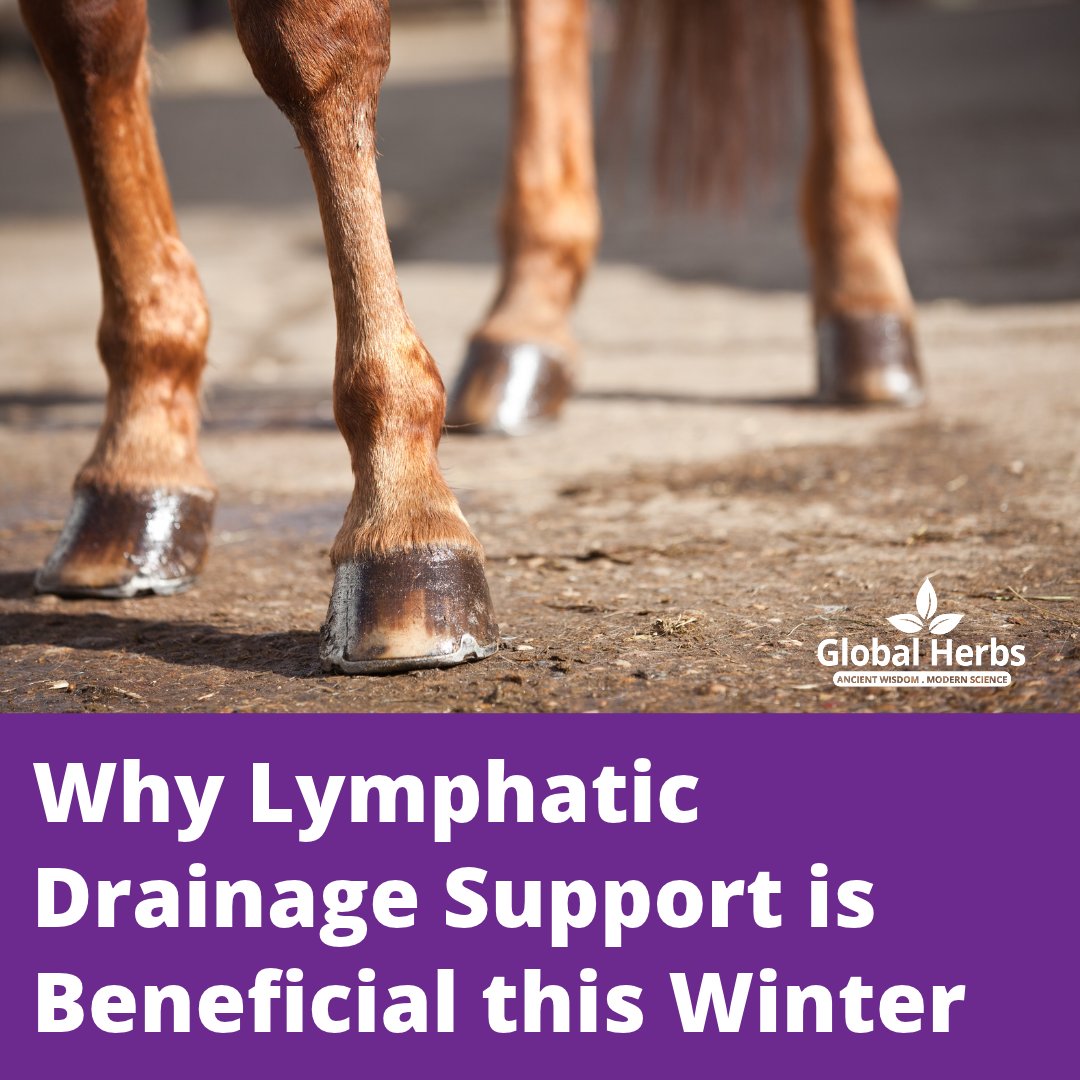
During winter, many horses spend longer periods standing in the stable and may have less turnout or movement due to weather and ground conditions. Movement plays an important role in helping fluid circulate around the body, so reduced activity can contribute to fluid accumulation in the lower limbs.
However, filled legs can have a number of different causes. If swelling is sudden, persistent, painful, hot, or accompanied by lameness or other signs of illness, veterinary advice should be sought.
Does exercise help with filled legs?
Regular movement can help support normal circulation and lymphatic flow. Many owners find that mild filling reduces once a horse has been turned out or exercised.
Maintaining an appropriate level of daily movement, based on your horse's individual needs, can be particularly important during periods of increased stabling.
What is the lymphatic system?
The lymphatic system is a network of vessels and lymph nodes that plays an important role in fluid balance and immune function. It helps transport lymphatic fluid around the body and is closely connected with the body's normal immune and circulatory processes.
What is lymphoedema in horses?
Lymphoedema refers to swelling associated with an accumulation of lymphatic fluid in the tissues. It can affect the lower limbs and may have a range of underlying causes.
Persistent or recurring swelling should always be investigated by a veterinary professional, particularly if there are additional signs such as heat, pain, skin changes or lameness.
What is Chronic Progressive Lymphoedema (CPL)?
Chronic Progressive Lymphoedema, often referred to as CPL, is a serious long-term condition involving progressive changes to the lymphatic system and tissues of the limbs. It is more commonly associated with certain heavy and draught horse breeds.
CPL requires ongoing veterinary management and should not be confused with temporary or mild filling of the legs caused by periods of inactivity.
Can herbs be used as part of a winter care routine?
Many horse owners choose to include herbs as part of their horse's nutritional and management routine. Traditional herbs such as Marigold and Cleavers have a long history of use in equine herbal feeding.
Herbal products may provide nutritional support as part of a balanced diet and appropriate management routine, but they should not replace veterinary diagnosis or treatment where a horse has persistent swelling or an underlying medical condition.
When should I contact my vet about swollen legs?
Contact your vet if swelling is sudden, severe, persistent or unexplained, or if it is accompanied by heat, pain, lameness, wounds, fever or changes in your horse's general wellbeing.
It is important not to assume that all filled legs are caused by inactivity or reduced lymphatic flow, as swelling can have a variety of causes that require veterinary assessment.
What is the best way to support my horse through winter?
Every horse is different, but maintaining appropriate movement, a consistent routine, suitable nutrition and regular monitoring can all form part of good winter management.
If you're concerned about changes to your horse's legs, comfort or general wellbeing, early veterinary advice is always the best course of action.
Share:
Understanding Ulcers & Sensitive Digestion